We don’t just do valve amps repairs here at Keld Ampworks. We’re just as happy with Digital modelling equipment repairs!
Line 6 Helix Repair – No Audio on Guitar Input
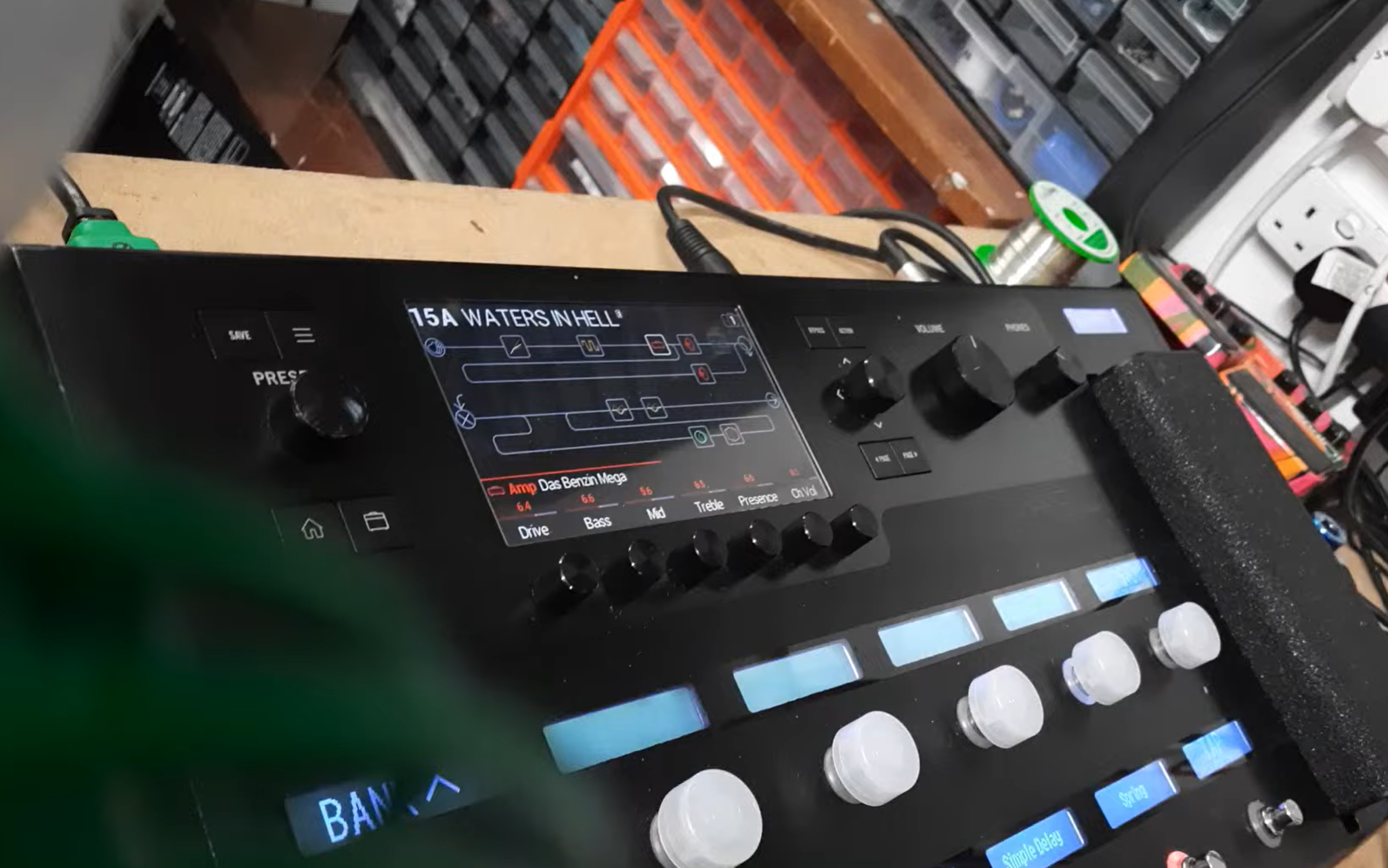
A customer recently sent in a Line 6 Helix Floor for repair after the guitar input stopped working. The unit powered up normally, all menus and controls functioned correctly, and audio passed perfectly through the auxiliary input. However, there was no signal whatsoever from the main guitar input.
The reported fault was straightforward:
- No audio from the guitar input.
- Auxiliary input operating normally.
- Unit booted correctly with no error messages.
- All other functions appeared to work as expected.
When a fault is isolated to a single input on a complex digital processor such as the Helix, the problem can lie anywhere from the analogue front-end circuitry through to the analog to digital converter to the DSP chip itself. The first step was therefore to confirm the fault and trace the signal path.
The Line 6 unit uses a clever multi level analog circuit to capture a greater dynamic range with two sepeate ADCs
Signal tracing showed that the guitar input signal was failing before reaching the converter stage.
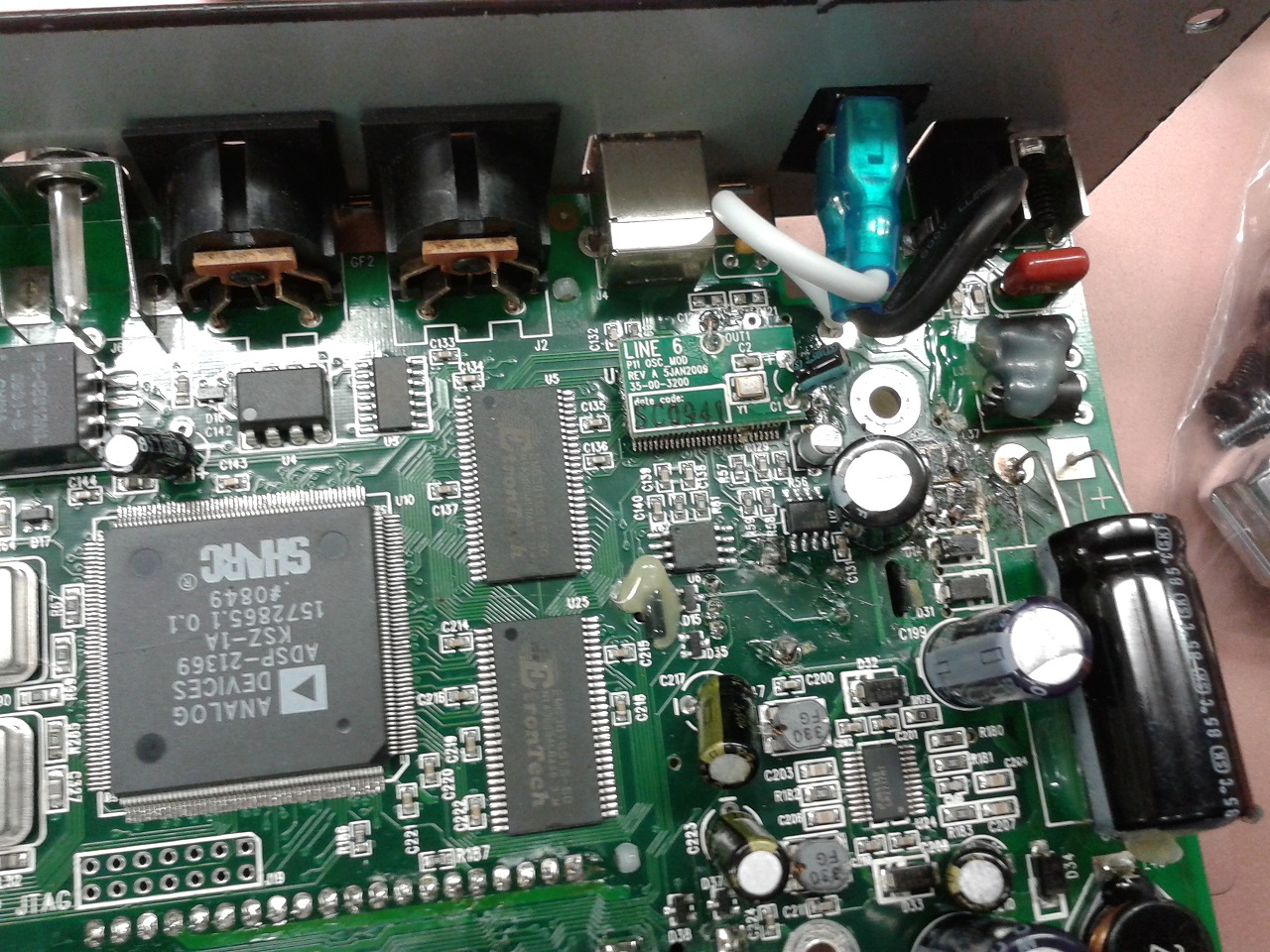
Further investigation identified several failed capacitors in the analogue input circuit. Although these components showed no visible signs of failure, electrical testing confirmed they were no longer performing correctly, preventing the guitar signal from being coupled through the input stage.
Testing the other caps found several that were on the point of failing.
The defective capacitors were replaced with high-quality equivalents matching the original specifications. Once fitted, the guitar input immediately returned to normal operation.
The Helix was then subjected to extended testing all inputs and presets, with all inputs, outputs and switching functions verified. The repaired unit operated flawlessly throughout the test period, with both the guitar and auxiliary inputs functioning exactly as intended.
Modern digital guitar processors rely on both analogue and digital circuitry working together. While software faults are often suspected first, relatively small analogue components such as capacitors can prevent an otherwise fully functional unit from passing audio correctly.
This Line 6 Helix repair was completed at component level, avoiding the unnecessary replacement of expensive circuit boards and returning the processor to full working order.
If your processor has no signal on the guitar input, intermittent audio problems or other input-related faults, a professional Line 6 Helix repair can often restore full functionality without the expense of replacing the entire unit.
If you’ve got a Line 6 Helix repair please get in touch!