Tone King Imperial II repair

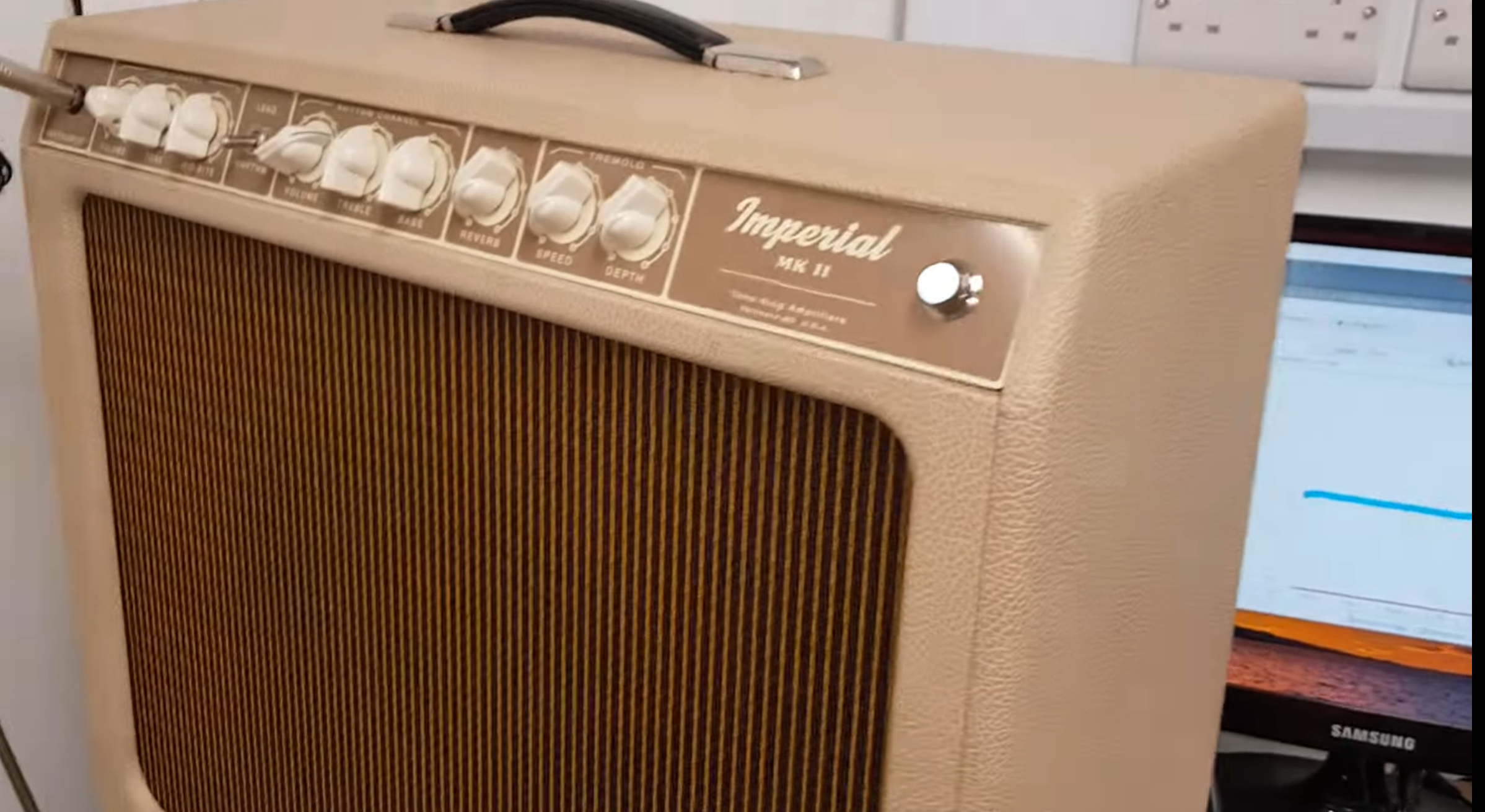
This is the first Tone King to appear on here: an Imperial II combo that came in with intermittent volume problems and a damaged speaker.

Here were the symptoms, in the words of the owner:

  • “Dropping in volume quite significantly completely at random, and then I go to adjust the volume and it comes back unbearably loud”
  • “The speaker has a hole in it as I could see the light coming through the back of it”
  • “Eventually the amp completely cut out on me”

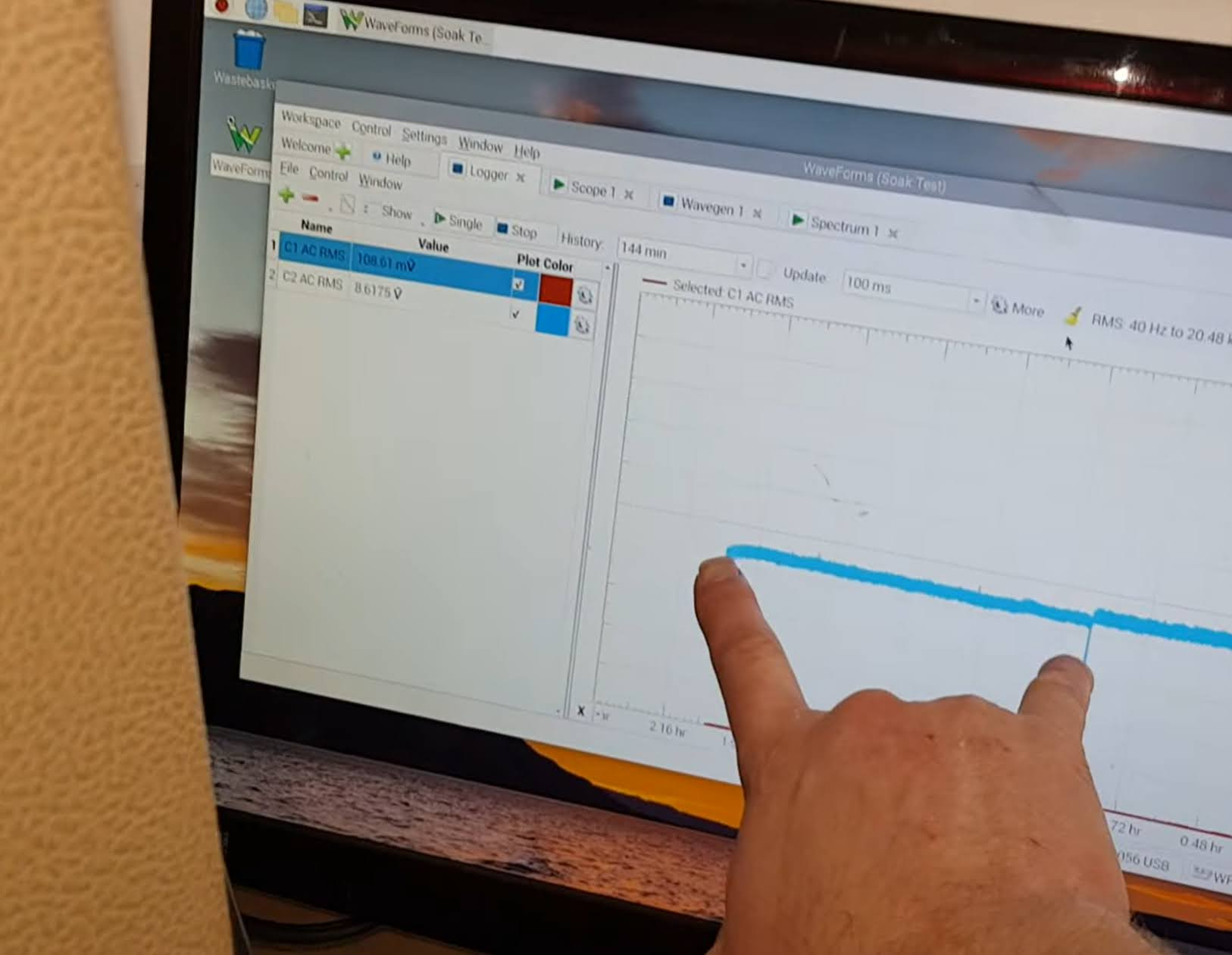
When it arrived, the amp was working as expected on both channels, with the vibrato and reverb working fine. To try to catch the volume drop-outs, it was soak tested for two hours and then play tested, but the fault never showed up. The valves were tested and the output was checked, and no faults were found, so electronically this one was no fault found (NFF).
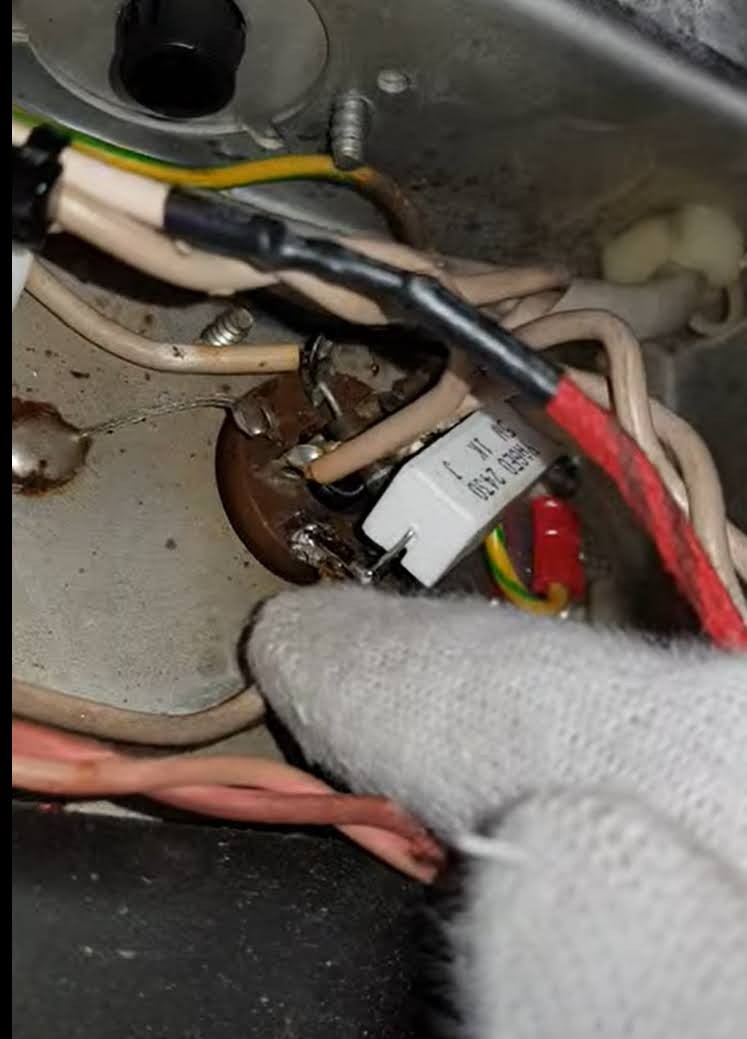
The speaker was a different story. There was a clear hole in the cone, and its shape followed the angled profile of the footswitch. There was also a big scratch along the footswitch and dust on the metal speaker frame next to the hole that had clearly come from the pedal. It looks like the footswitch had been stored in the back of the amp and the amp had then been tipped onto its front, pushing the pedal into the cone.
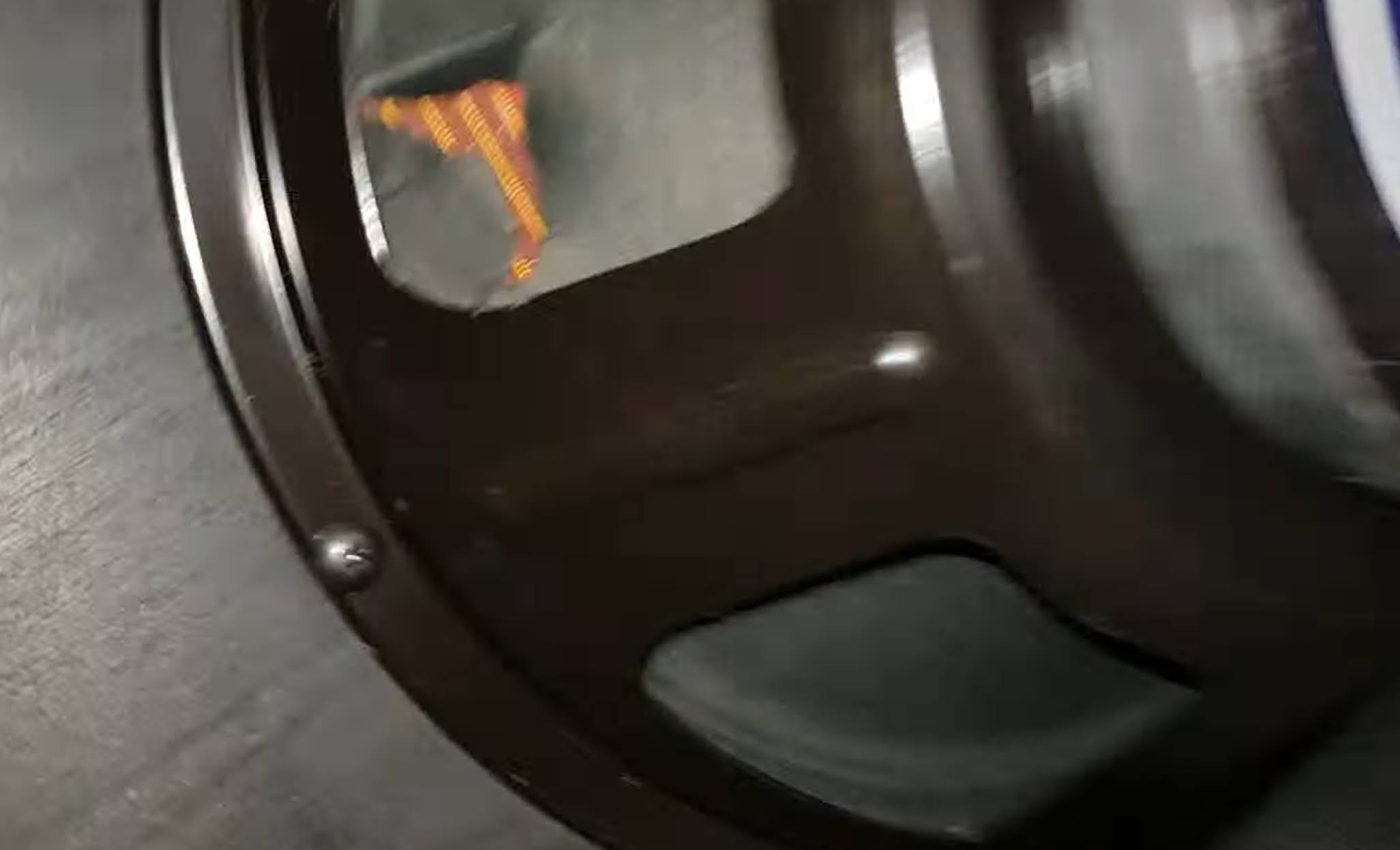
The speaker was replaced with a suitable new 12″ speaker, and the amp was PAT tested before it went back.

A tip for owners of any combo: if you carry the footswitch or leads in the back of the cabinet, take them out before moving or tilting the amp. It only takes one tip forward for a pedal to go through a speaker cone.

If you’re in need of a Tone King amp repair, please contact me.
Fender Twin Reverb repair

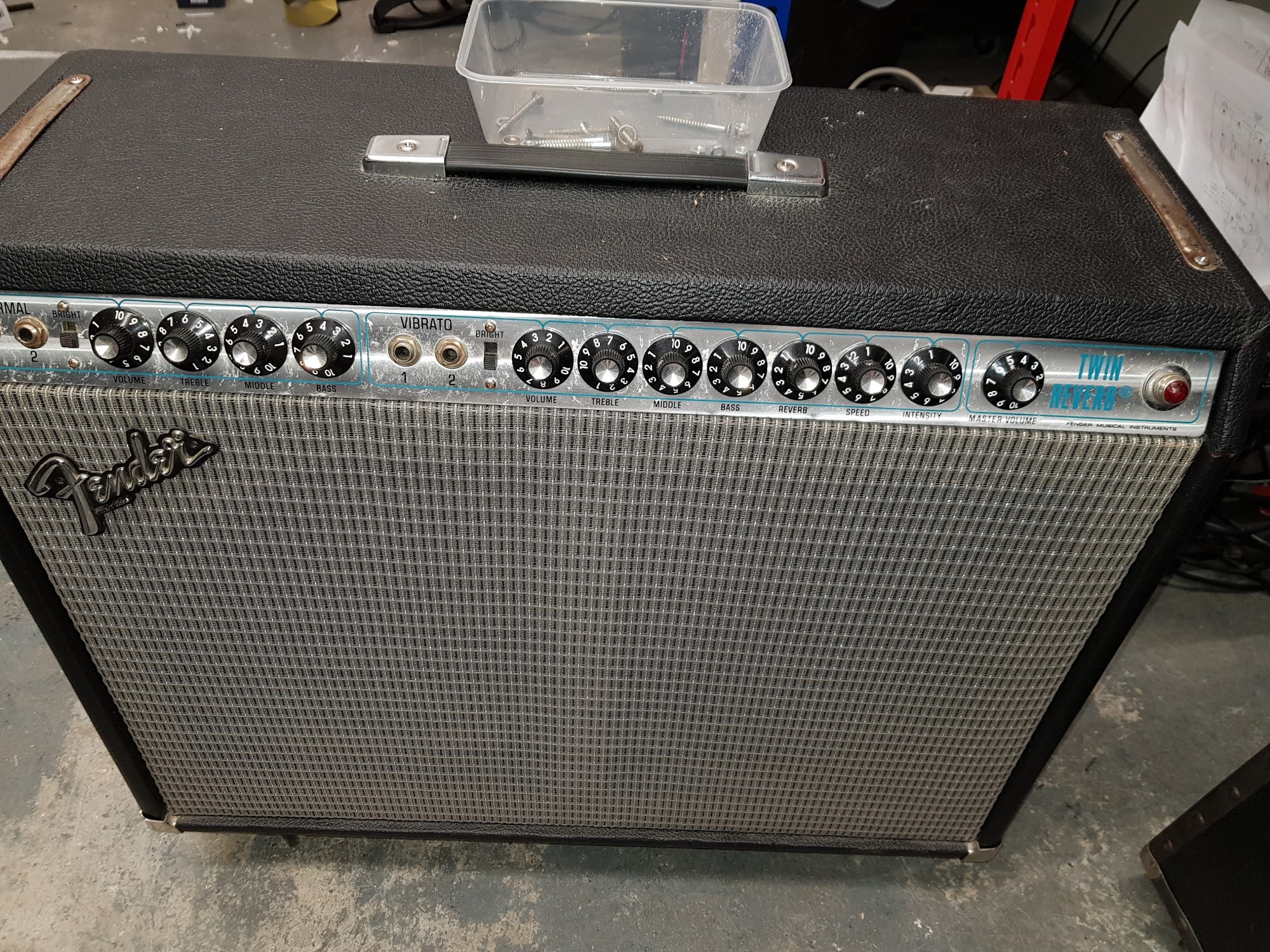
Fender Twin Reverb combo amp on the bench

This Fender Twin Reverb came in with a handful of problems on the vibrato channel. It’s had a lot of owners over the years, and some earlier repair work had got it going again, but there were a couple of surprises inside.

Here were the symptoms, in the words of the customer:

  • “Brightness switch not making a difference (this is fine on normal channel)”
  • “No reverb, turning reverb level up brings in a lot of hum, but no reverb”
  • “Tremolo Speed stops at about 7. Passed that and the tremolo effect goes away.”
  • “Tremolo Intensity seems low”

The missing reverb and the hum were caused by a faulty reverb cable, which was replaced.

The tremolo problems were traced to the LDR (light dependent resistor), which the tremolo circuit uses to modulate the signal.

The bright switch wasn’t actually faulty. It works by adding a small capacitor across the volume control, so its effect is strongest at low volume settings and fades away as the volume goes up. At higher settings you’ll hear little or no difference.

Once the amp was apart we found a hack from a previous repair. A valve pin had been soldered back together instead of the octal valve socket being replaced. That can’t be spotted until the chassis is out, so we fitted a new socket.

Underside of a Fender Twin Reverb octal valve socket with a valve pin soldered back together by a previous repair
The underside of the old octal valve socket, showing the pin a previous repair had soldered back together
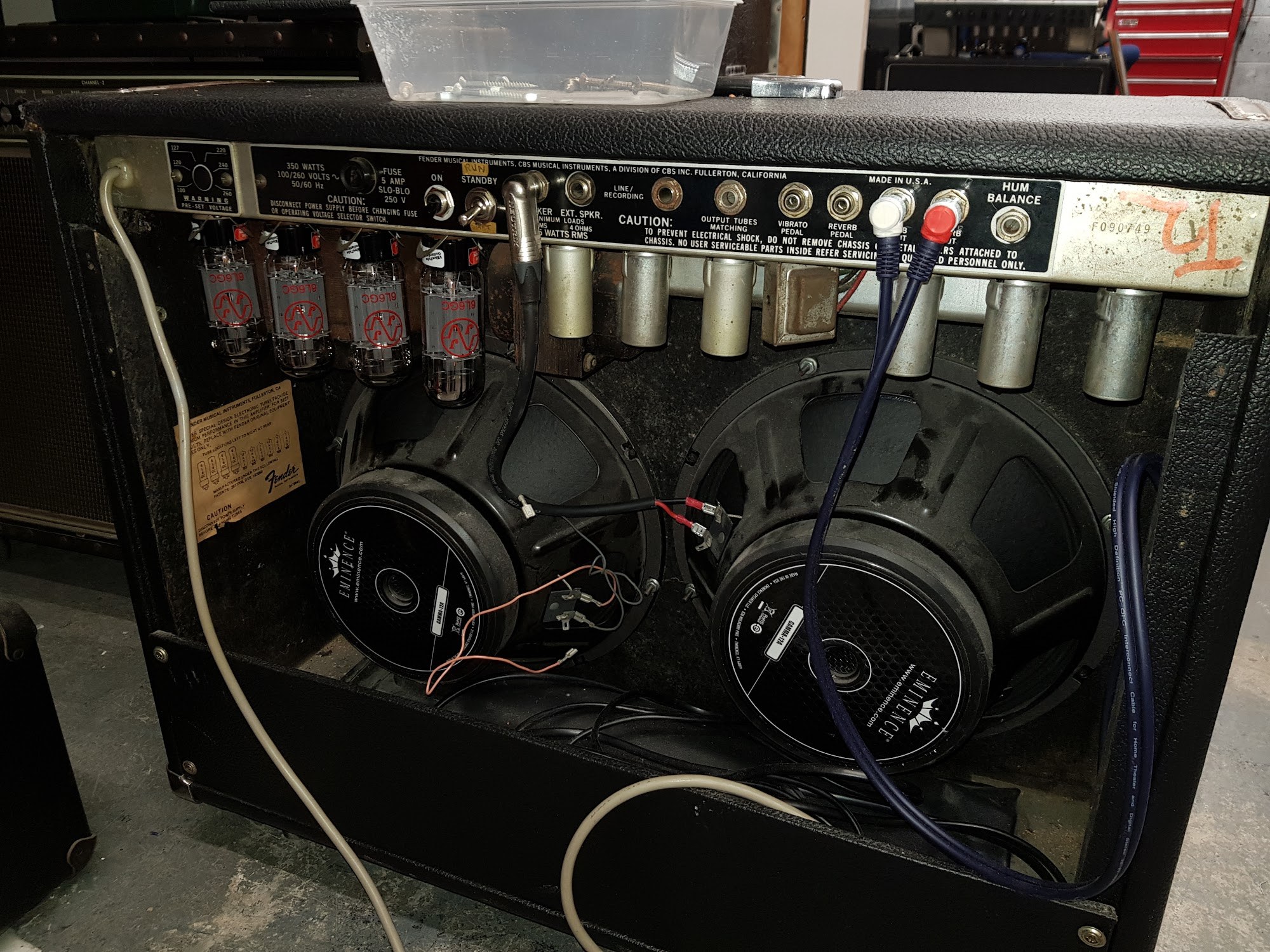
Rear of a Fender Twin Reverb with the back panel removed, showing the chassis, valves and two 12 inch speakers
Rear view with the back panel removed, showing the chassis, valves and speakers

The old 6L6 power valves were physically coming away from their bases and tested worn, so a new matched quad of JJ 6L6GCs was fitted and the bias checked. The screen grid resistors were out of tolerance, so these were replaced too. We also carried out the standard safety work we’d expect to do on a Twin of this age.

After reassembly we found one of the two speakers wasn’t working. This amp has Eminence Gamma 12 speakers rather than the JBLs it would have left the factory with. They’re PA speakers rather than guitar speakers, but they’re good quality and sound good in this amp. If you’re mixing speakers in a two-speaker amp, you want to roughly match their sensitivity, otherwise one will be noticeably louder than the other. The Gammas are rated at 98dB/W and a Jensen C12N is 97.5dB/W, so the dead speaker was replaced with a C12N. The speaker cable also needed replacing.

The amp then went through our usual testing, including a soak test.

You can also read about an earlier Fender Pro Reverb repair.

If you’re in need of a Fender amp repair, please contact me.